Showing posts with label Richard Williams. Show all posts

Wednesday, January 27, 2016

Must Have Guidebooks


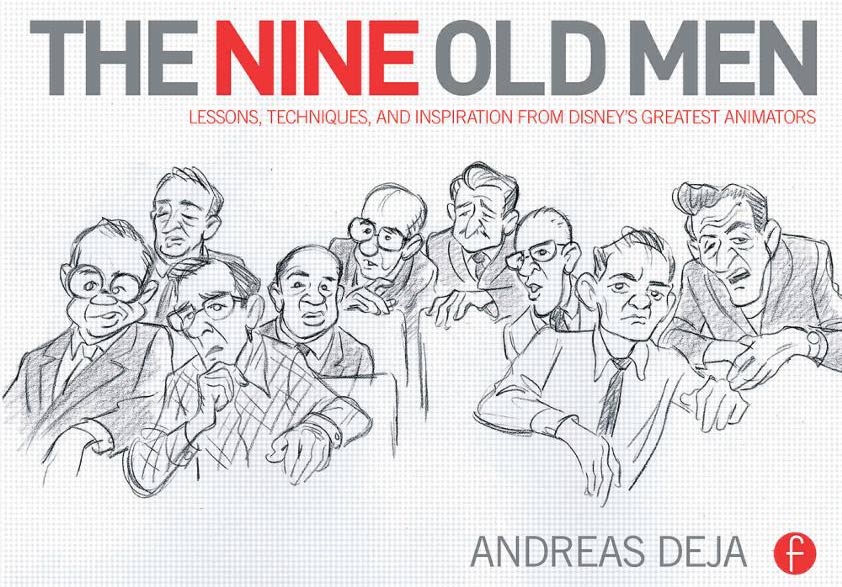
In case your wallets aren't crying from buying all your textbooks this semester, there are a couple of not-quite-textbooks that I definitely recommend checking out if you can get your hands on them.  If you're at all interested in the work and techniques of hand-drawn animation, these are must-haves.  The first one in question is The Nine Old Men by Andreas Deja - an animator who has contributed work to a wide variety of the Disney films' villains - which chronicles the stories of the nine biggest Disney animators and what work they contributed to what films.  Don't worry, there are plenty of pictures; this book features loads of storyboard artwork and sketches of keyframes from some of their iconic animation sequences.   Quite an interesting read for people looking for inspiration of what to draw and how to make their drawings come to life.
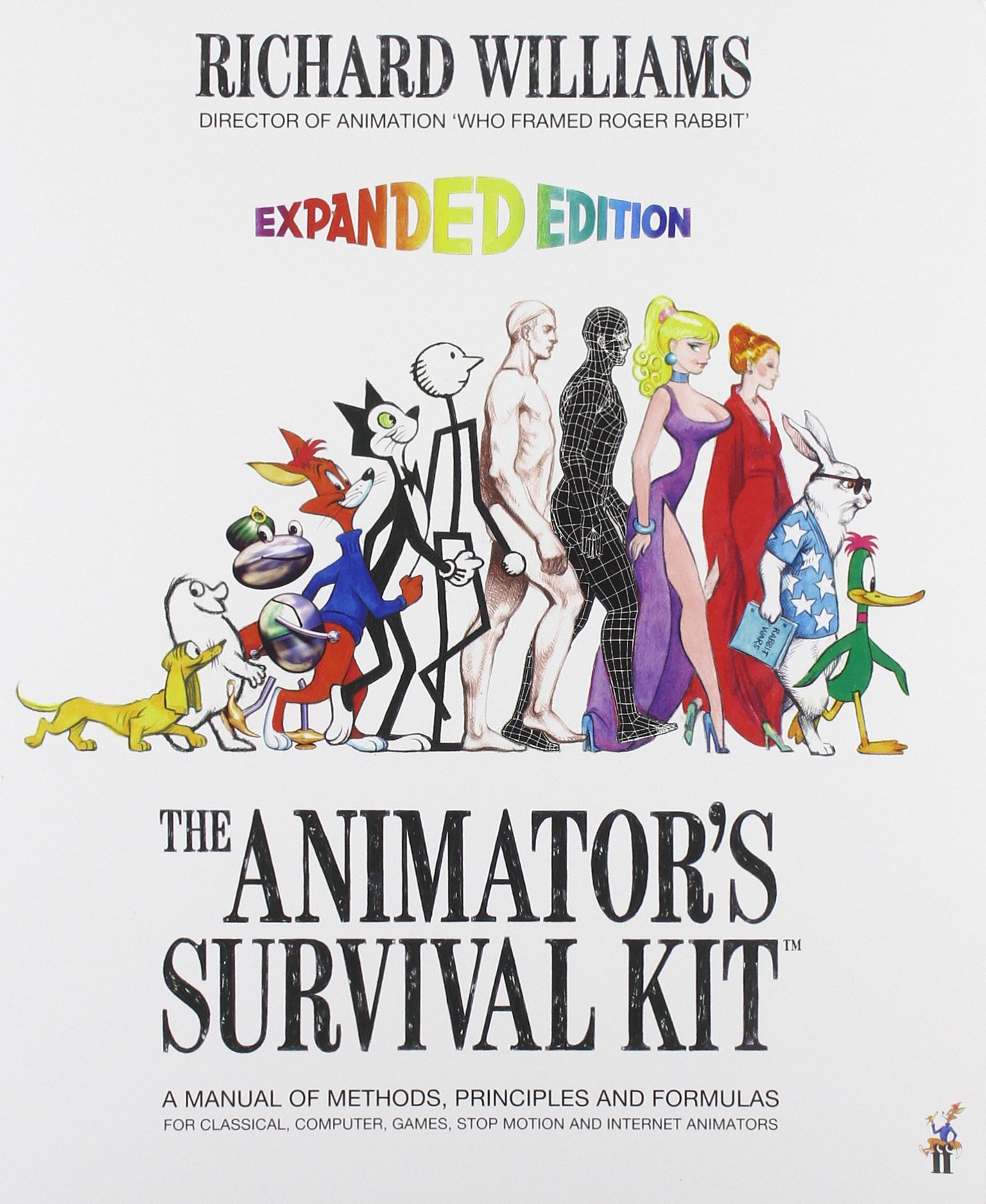
The second book to add to your shopping list is The Animator's Survival Kit, written by Richard Williams, the director of animation for the film Who Framed Roger Rabbit.  This entry goes more in depth on the tutorials for the fundamentals of hand-drawn animation; it includes the essential stuff like bouncing balls, walk cycles and body physics, but it also includes do's and don'ts of how to animate dialogue, the methods of visualizing the the sequence of anticipation-action-reaction, and a general workflow of this style of animation.  There's also some great examples of how to animate four-legged animals realistically, tips on directing a project, and other cool sequences that can make for some fun drawing exercises.  Not to mention all the text looks like it was hand-written (it probably was, it's the source of this book's charm).
So if you're ever looking to make the next Disney or Warner Bros. animation film, grab a lot of paper and pencils, an animation lightbox from PPECS, and these two books and you'll be well on your way.

Friday, February 14, 2014

Richard William's Masterpiece

When I say the name Richard Williams, what come to your mind the most? Well, if you usually pay attention to the credits, it turns out he was the animation director for the famous live action & animation film Who Framed Roger Rabbit. But in addition to handling the animation direction for that film, he is also well known The Thief and the Cobbler a film that he worked for nearly two decades on before he lost control of it. This film was to be William's magnum opus displaying his prowess of animation abilities and what could be done with animation on the wide screen.


Unfortunately due to fact that this film took so long to create, William's eventually lost the distribution deal he had with Warner Brothers. The film was eventually picked up by Miramax, who remade the film to resemble more of Disney's Aladdin film that was released in 1992. Ironically the creators of the Aladdin film were inspired by some of the elements of The Thief and the Cobbler and implement it into  their film. William's film also wen though a variety of of different title changes such as Princess & The Cobbler, Arabian Knight before finally being settled on the aforementioned title.

I recall finding the movie in a local video store being taken in by the cover by the cover. When I watched it, I while I watched the film I felt the visuals were very good but overall movie was very Disneyesque. Several years later I stumbled upon a review of this film by comedian/internet reviewer named Doug Walker aka The Nostalgia Critic, whom at the time was known for reviewing nostalgic movies of the 80s and 90s.  Having seen some of his previous comedic takes on other films, I figured it would simply be another film he would simply make jokes about. (WARNING CONTAINS MASSIVE AMOUNTS OF SWEARING)

Quite to my surprise this was one of the few reviews I found at the time to be one of the most educational, for immense backstory involved in the making of this film. Also in that review I actually learned who Richard Williams was and discovering his body of work. This would eventually lead me to discovering that there was a version of the film that was closer to the original vision of Williams, lead by Garrett Gilchrist known as The Recobbled Cut. This version is a combination of the various bits of footage that were cut out of Williams 90min work print and various sketches that never made it to the theatrically released versions.

Both version of the Miramax Cut and the Recobbled version are available on youtube along with the other animated works of Richard Williams.


Wednesday, November 30, 2011

Extreme Detail Used in Movies

So a few of my friends were sending around this article that Cracked.com just put out. It's called "7 Movies That Put Insane Work Into Details You Didn't Notice"and it shows some rather nice work.

The first one they list is a movie that we talked about in class and actually had a chance to view the process of the title sequence: Se7en. We got to see a little more than what Cracked talks about, but the article does talk about how the creators wrote the journal entries, found and attached pictures, and actually bound the pages together.

Continuing on, Cracked.com talks about a beautiful animation that I have never even heard of. The Thief and the Cobbler, which inspired Disney's Aladdin, was written and directed by Richard Williams. It was about 30 years into the making, but was never finished. Animation World Network Magazine even had an article on it in 1997 talking about the work and background of the story.

Now even if you don't read the article, you should definitely watch this animation because the detail is really quite amazing.


Cracked.com continues on the examine Scott Pilgrim vs. The World, Stanley Kubrick's Filmography, The Matrix, Ghostbusters, and finally Akira Kurosawa's Entire Filmography. 

The article is a bit short and not as detailed as I would like it to be, but it definitely opened up my eyes a bit more to the detail that goes into these movies. I've watched Ghostbusters since I was a kid and while I knew that the terms they were using were real, reading the article really emphasized how each director, writer, designer, creator, and producer should really look into even the simplest details in order to make a production that much better. When creating something, no matter what your job is, the project will always come out better with a little more research. Not only will it make it more realistic, but sometimes it will even inspire you to create something else. Detail may seem futile or unnecessary, even out of the budget, but creating something with such depth can really pay off in the reception of the final product.