This past Monday, my favorite cartoon aired it's final episode. Alex Hirsch's Disney Channel mystery show, "Gravity Falls," concluded with an hour long special, called "Weirdmageddon part 3." In this episode, the Pines family puts an end to an evil dream demon's plans, resulting in saving the world from the apocalypse. While I don't want to spoil too much about the episode, I wanted to discuss one part of it with very striking animation. During a dream sequence in the episode, the dream demon, known as Bill Cipher meets his misfortune, which leads to him morphing into a bunch of strange shapes and figures. These transformations look smooth, as well as very high budget, especially for a hand-drawn cartoon. If you watch around 2:16, you'll see the sequence:
If you're a fan of the show, but you have yet to watch the finale, then I suggest you do not watch this clip, for there are heavy spoilers.
This little sequence gives me so much hope for the future of hand-drawn animation. Many cartoons are done digitally now, which is great, because those cartoons look great too, but they don't always capture that same essence that can be found in hand-drawn. Hopefully sequences like this will keep making animators continue to use it in their future projects.
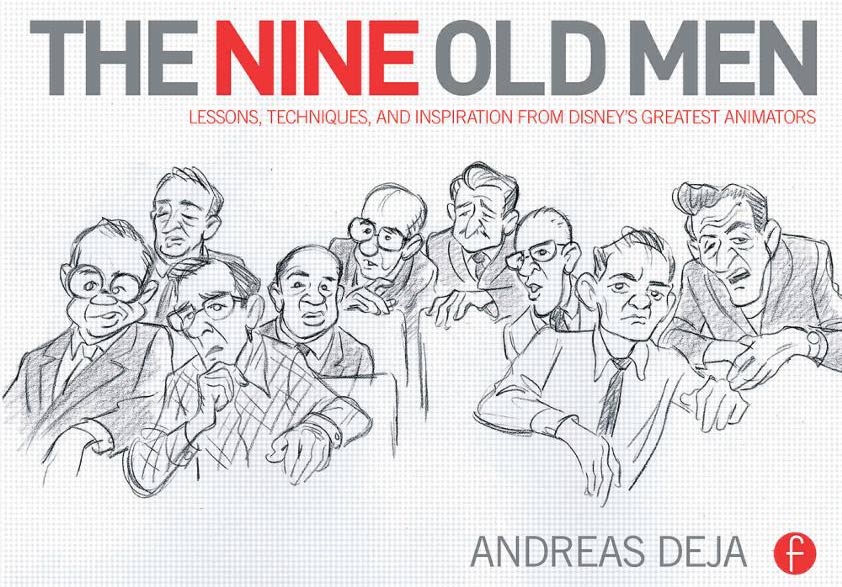
In case your wallets aren't crying from buying all your textbooks this semester, there are a couple of not-quite-textbooks that I definitely recommend checking out if you can get your hands on them. If you're at all interested in the work and techniques of hand-drawn animation, these are must-haves. The first one in question is The Nine Old Men by Andreas Deja - an animator who has contributed work to a wide variety of the Disney films' villains - which chronicles the stories of the nine biggest Disney animators and what work they contributed to what films. Don't worry, there are plenty of pictures; this book features loads of storyboard artwork and sketches of keyframes from some of their iconic animation sequences. Quite an interesting read for people looking for inspiration of what to draw and how to make their drawings come to life.
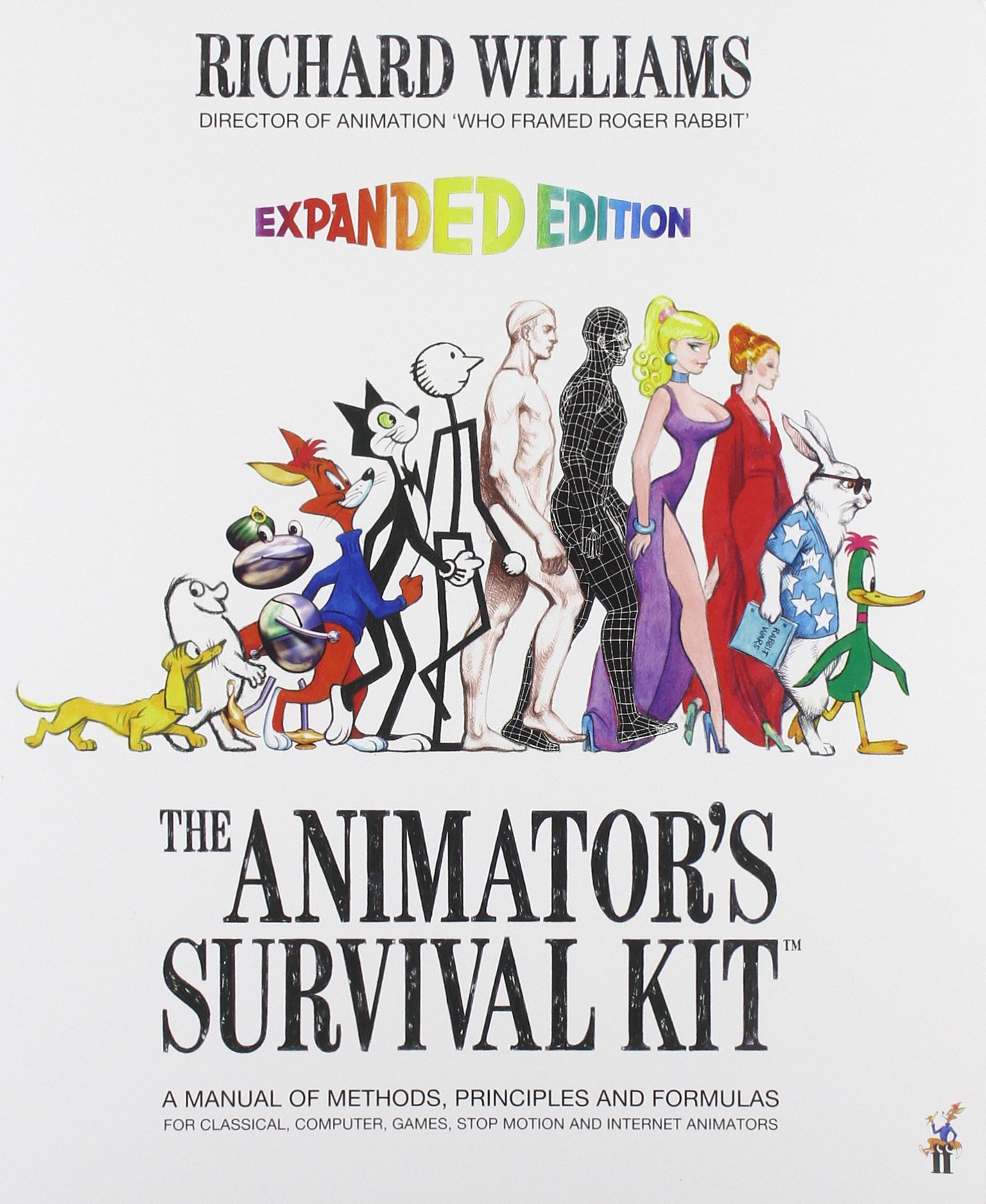
The second book to add to your shopping list is The Animator's Survival Kit, written by Richard Williams, the director of animation for the film Who Framed Roger Rabbit. This entry goes more in depth on the tutorials for the fundamentals of hand-drawn animation; it includes the essential stuff like bouncing balls, walk cycles and body physics, but it also includes do's and don'ts of how to animate dialogue, the methods of visualizing the the sequence of anticipation-action-reaction, and a general workflow of this style of animation. There's also some great examples of how to animate four-legged animals realistically, tips on directing a project, and other cool sequences that can make for some fun drawing exercises. Not to mention all the text looks like it was hand-written (it probably was, it's the source of this book's charm).
So if you're ever looking to make the next Disney or Warner Bros. animation film, grab a lot of paper and pencils, an animation lightbox from PPECS, and these two books and you'll be well on your way.
The 2007 film, Juno, directed by Jason Reitman and starring Ellen Page, has an extremely memorable and fitting title sequence. The first scene of the film flows seamlessly into the credits, which are printed, hand-drawn, xeroxed, cut, and colored images. Over 900 of them. It focuses on the main character, Juno, as she walks through her neighborhood.
Smith worked with Reitman to create an idea for the opening credits. "The music, the tone and originality of the screenplay, and the uniqueness of Juno's character, led us down the path toward creating a low-fi, hand-animated title sequence," Smith said.
Smith and his wife, Jenny Lee, flew up to Vancouver where they were shooting the film to shoot thousands of photos of Ellen walking with a high-speed camera from a number of angles.
The cut-outs of Juno were created from the photographs. They printed out every frame, outlined Juno, and photocopied the prints to degrade the quality. Then they cut out the frames with scissors and colored them in by hand.
Read the whole interview and the in depth process they did here.