Showing posts with label skeuomorphism. Show all posts

Tuesday, September 15, 2015

Flat vs Real Design

One of the things that I struggle with the most when creating any type of media is making a consistent design. I always end up with elements that are visually acceptable but seem segmented. This is something I hope to improve on in this course.


When I began animating in high school I was inspired by this piece of a music video that I found. I tried to imitate the music video with this video. A few years after I made this I realized why it did not look right to me. I realized that it was a mix of textures. I had flat and real elements that did not make sense together. After Effects has the ability to make awesome flat animations but is even more geared towards realistic looking motion graphics or special effects and I mixed them in my video. I would love to try to do one project that is complete flat design. I also hope to realize more design elements that I can improve on as the course continues.

When studying Flat vs Skeuomorphic design in Design of New Media I found this interactive game that exemplifies the tug between realistic and flat animation.

Click Here to Play Game

Thursday, September 26, 2013

Flat Design and the End of Skeuomorphism

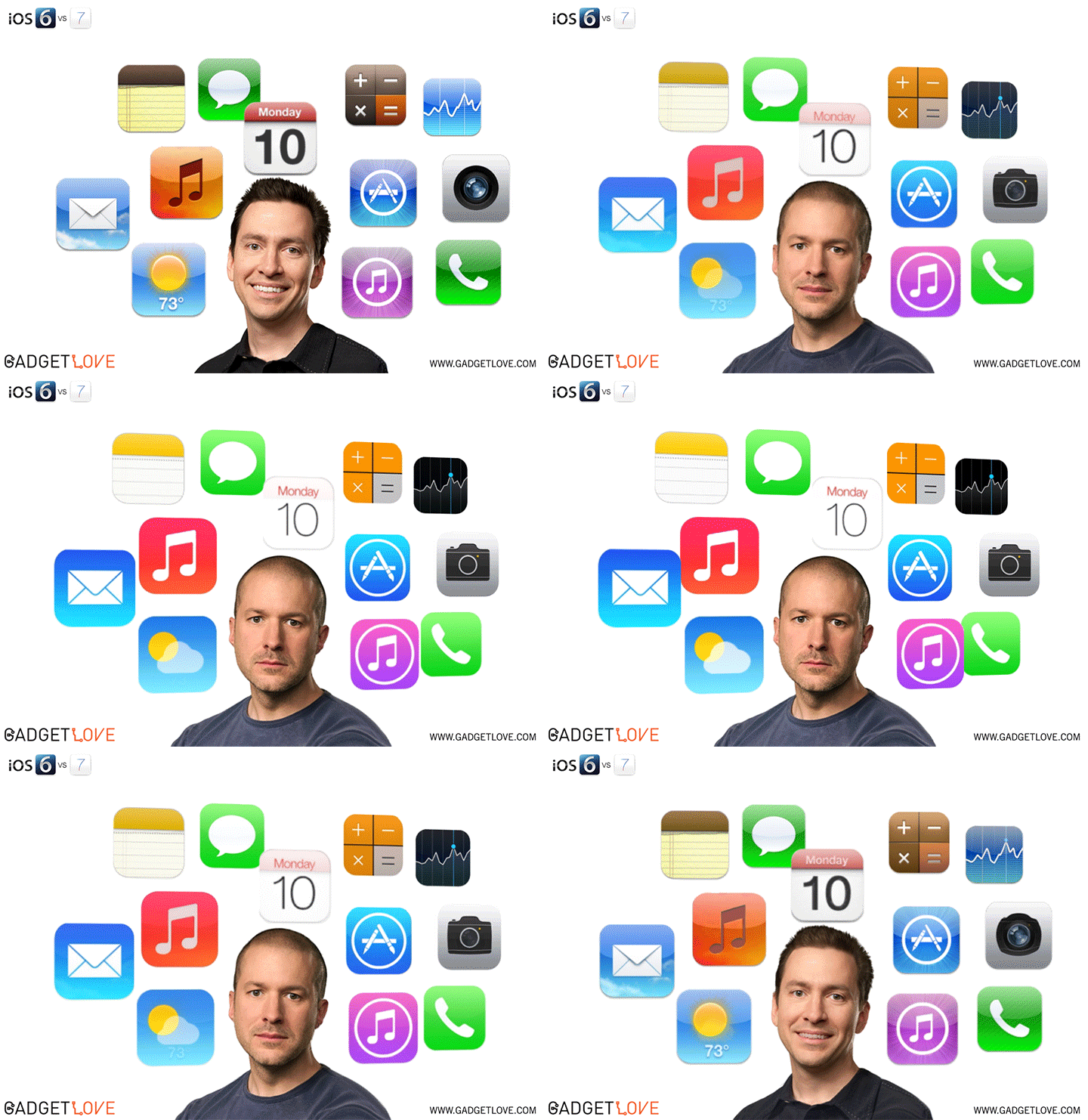
With the launch of Apple's iOS 7, they have signalled a departure from the stale designs of the past. Specifically, they largely abandoned the design trend known as skeuomorphism. Many users have responded positively to the radical change in their phone's operating system. This marks a major blow to the champions of skeumorpist design principles.

Skeuomorphism is the incorporation of ornamentation and elements found in previous non-digital formats. For example, a calendar application that makes use of a leather frame is using a skeuomorphist approach. Or a wooden bookshelf in iBooks...


Critics of skeuomorphism argue that the design trend clutters designs with unnecessary and outdated physical metaphors that can confuse users. Proponents contend that it gives technology users a reference point in the world.

Apple has opted in favor of a flat design chosen by the company's lead designer Jony Ive, after previous lead designer Scott Forstall left in October of 2012.


Flat design is a relatively new design concept, propelled to the forefront of talk with the introduction of the Windows Phone in October 2010. It consists of large elements, making use of the full potential of small screens. Essentially flat design proponents argue that usability and modernity are placed at the forefront of the design process.


Looking at the iOS 7's compass app compared to the previous version can give you a direct insight into the design change...